
Simple ways to welcome birds, hedgehogs, amphibians, butterflies and other small creatures into your garden.
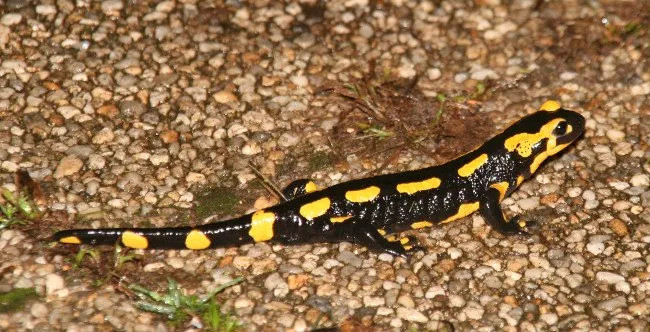
My garden is in Bretagne (Brittany), in western France, where birds, insects, amphibians and small mammals share the same outdoor space. I enjoy seeing all kinds of wildlife in the garden, whether it is a bird searching for seeds, a butterfly visiting a flower or a salamander crossing the terrace after rain.
How can you attract birds and other small animals, such as hedgehogs, frogs, toads and insects? And which plants can provide food and shelter for butterflies?
Encouraging wildlife to settle and feed in the garden is a pleasure in itself. More importantly, it helps support local species and contributes to a healthier garden ecosystem. A garden with a variety of wildlife is also less dependent on pesticides, including organic pesticides, and on attempts to eliminate every creature considered a pest.
The plants and animals mentioned in this article are mainly those found in my European garden. Species vary from one part of the world to another, so it is always best to choose native plants or varieties suited to your local climate and wildlife. I have included a few useful resources at the end of the article to help you find suitable plants in your area.
1. Start by creating a wildlife-friendly garden
Wildlife gardening means growing a mixture of wild and ornamental plants that offer something to animals: food, shelter, nesting places or somewhere to perch.
If you want to encourage biodiversity in your garden, think about providing four essential things:
- Food
- Water
- Shelter
- Places to nest and reproduce
Trees and shrubs provide nesting sites and shelter for birds. Flower nectar feeds insects, while berries, seeds and other fruits provide food for birds and small mammals. Roses, for example, offer nectar, hips and protective cover.
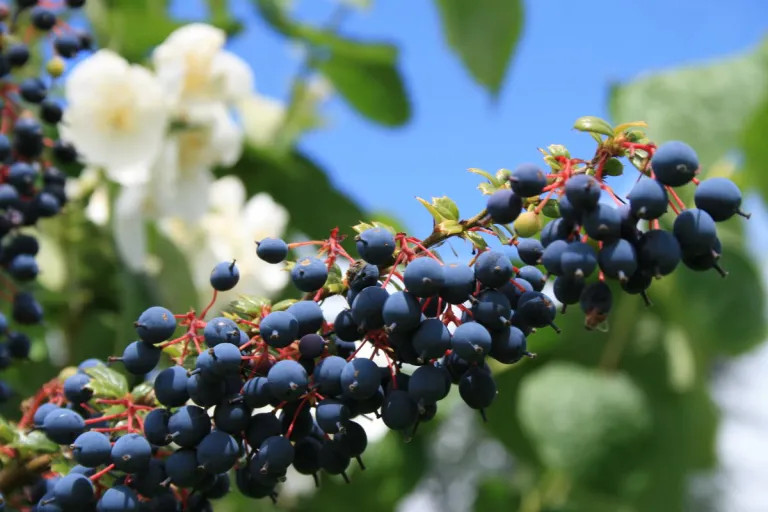
You could also grow shrubs such as pyracantha (Pyracantha), cotoneaster (Cotoneaster) and barberry (Berberis), which produce berries in autumn and winter. Sedums and scabious provide nectar for insects and bring colour to the garden.
Sunflowers and ornamental grasses produce seeds that birds can eat. Trees such as oak, ash and pine also support wildlife, providing food and habitat for many different species.
In fact, most plants have something to offer. The key is to grow a variety of plants and allow them to play their part throughout the year.
2. Grow wildflowers and flowering plants
Many wildflowers and ornamental plants can easily be grown from seed. You can buy individual seed packets or mixtures designed for wildflower meadows. Many will also self-seed, returning year after year.
You can also let wild plants grow naturally in parts of your garden. Seed-eating birds appreciate flowers that are left standing after they have finished blooming. Try not to tidy everything away or cut down all the faded stems at the end of the season. Some small mammals also feed on seeds.
I have noticed that tits in my garden eat agapanthus and evening primrose seeds quite late in the season. It is worth being patient and leaving seedheads in place until spring, even if the garden looks a little untidy.
You can also grow and collect seeds specifically for birds. Sunflowers are particularly useful because they produce plenty of seeds that can be stored and offered to birds during winter.
One advantage of collecting seeds from your own garden is that you know exactly how they have been grown.
Think twice before removing every wild plant
Butterflies have become much less common, even in the countryside. Intensive pesticide use in agriculture is certainly one important factor, but it is not the only one.
Many butterflies depend on particular plants to complete their life cycle. Their caterpillars need specific host plants to feed and develop.
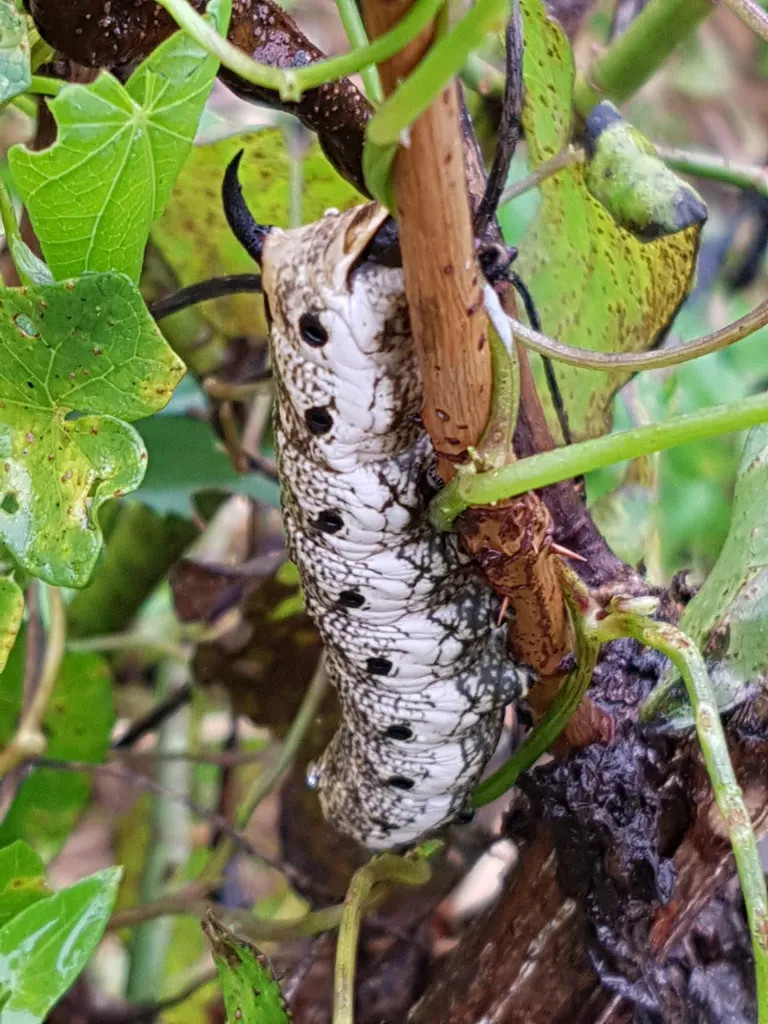
One autumn, while clearing bindweed from a rose bush, I accidentally destroyed the shelter of a large caterpillar: the convolvulus hawk-moth caterpillar. It was a useful reminder that a plant we consider a weed may be essential to an insect.
So, before removing every wild plant from your garden, take a closer look. Some of them may be providing food or shelter for wildlife.
3. Flower colours and insects
Flowers of different colours attract different pollinators, and some insects are active after dark.
Rather than choosing flowers for just one colour, try to provide a varied selection of flowering plants throughout the seasons. This will make your garden more attractive to a wider range of insects.
Remember that night-flying moths also need food sources. Some pale, fragrant flowers that open in the evening can be particularly useful for them.
4. Add a pond to attract amphibians and flying insects
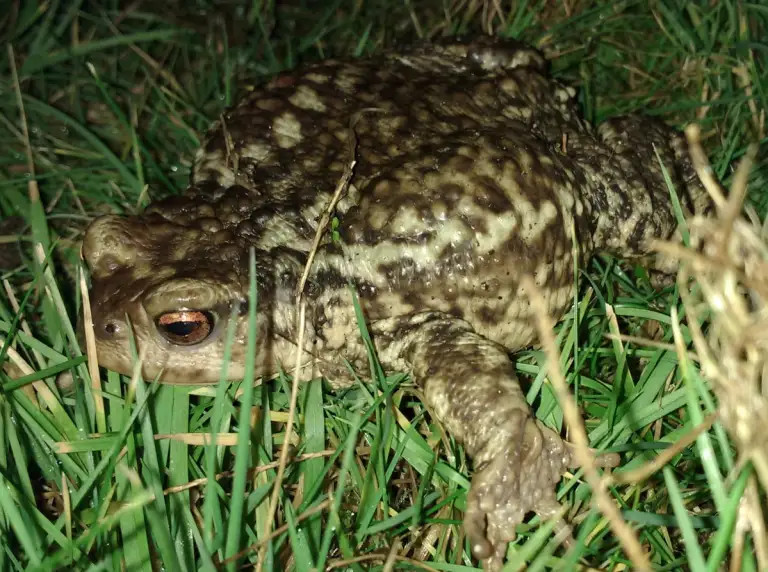
A garden pond can make a real difference to local wildlife. It may provide a breeding place for tadpoles, frogs, toads, newts and salamanders, as well as aquatic insects such as dragonflies.
These creatures are part of the same food web: some feed on insects and other small animals, while others become food for birds and larger wildlife.
A pond should be free from pollution and chemicals. A balanced pond can support a variety of aquatic life and help keep insect populations in check.
Birds and mammals will also come to drink. If you do not have enough room for a pond, it is still important to provide water, especially during hot, dry weather. A simple bowl or shallow dish can be enough.
Bird baths are widely available and can be both attractive and useful. Raised bird baths may help protect birds from cats, but they are not suitable for hedgehogs, which need water at ground level.
Make sure that small creatures can get out of any water container. A shallow dish with a stone or gently sloping edge is a simple solution.
5. Plant mixed hedges and berry-producing shrubs
A mixed hedge is much more useful to wildlife than a uniform hedge made entirely of one species. It can provide nectar, shelter, berries, nuts and nesting places.
A hedge also creates a protected corridor through which small animals can move around the garden.
Here are some shrubs worth considering:
- Pyracantha
- Cotoneaster
- Barberry (Berberis)
- Beautyberry (Callicarpa)
- Pheasant berry (Leycesteria formosa)
- Rugosa rose (Rosa rugosa)
- Elder (Sambucus)
- Serviceberry (Amelanchier)
Choose a mixture of shrubs that flower and produce fruit at different times of the year. This helps provide food over a longer period.
I have not included butterfly bush (Buddleja davidii) in this list because it can become invasive in some regions. Always check the status of a plant before introducing it into your garden.
6. Fruit trees provide food for birds and other wildlife
Birds and insects also feed on fruit. Apples, pears, plums and cherries can attract birds, butterflies, wasps and other insects.
Butterflies and many other insects are particularly attracted to ripe fruit that has fallen from the tree. So, do not feel obliged to collect every fallen apple or pear simply because it makes the garden look untidy.
In autumn and winter, birds such as blackbirds, thrushes and robins may eat fruit when other food sources become less plentiful.
If you have already picked all your apples, you can make simple fruit garlands using small or surplus apples. You can also leave some fruit in a quiet corner of the garden for birds and other animals that feed on the ground.
7. Grow host plants for butterflies
Ideally, leave an area of lawn unmown. A meadow or grassy area cut just once or twice a year, after the plants have set seed, can provide both food and shelter for many species.
Some insects need very specific plants to feed and reproduce. These are known as host plants. A butterfly may visit many flowers for nectar, but its caterpillars may depend on just one particular plant or a small group of related plants.
Here are some examples of European butterflies and their caterpillar host plants:
| Butterfly | Host plants |
|---|---|
| Large and small cabbage whites | Cabbages and other cruciferous plants |
| Orange-tip | Garlic mustard, cuckoo flower and honesty |
| Brimstone | Buckthorn and alder buckthorn |
| Small copper | Common and sheep’s sorrel |
| Holly blue | Ivy, holly, buckthorn and heather |
| Common blue | Clovers, bird’s-foot trefoil and other legumes |
| Painted lady | Thistles, burdock, mallows and nettles |
| Red admiral | Nettles |
| Peacock | Common nettle |
| Small tortoiseshell | Common nettle |
| Comma | Nettles, hops, elm and currants |
| Map butterfly | Nettles |
| Convolvulus hawk-moth | Bindweed |
| Cinnabar moth | Ragwort |
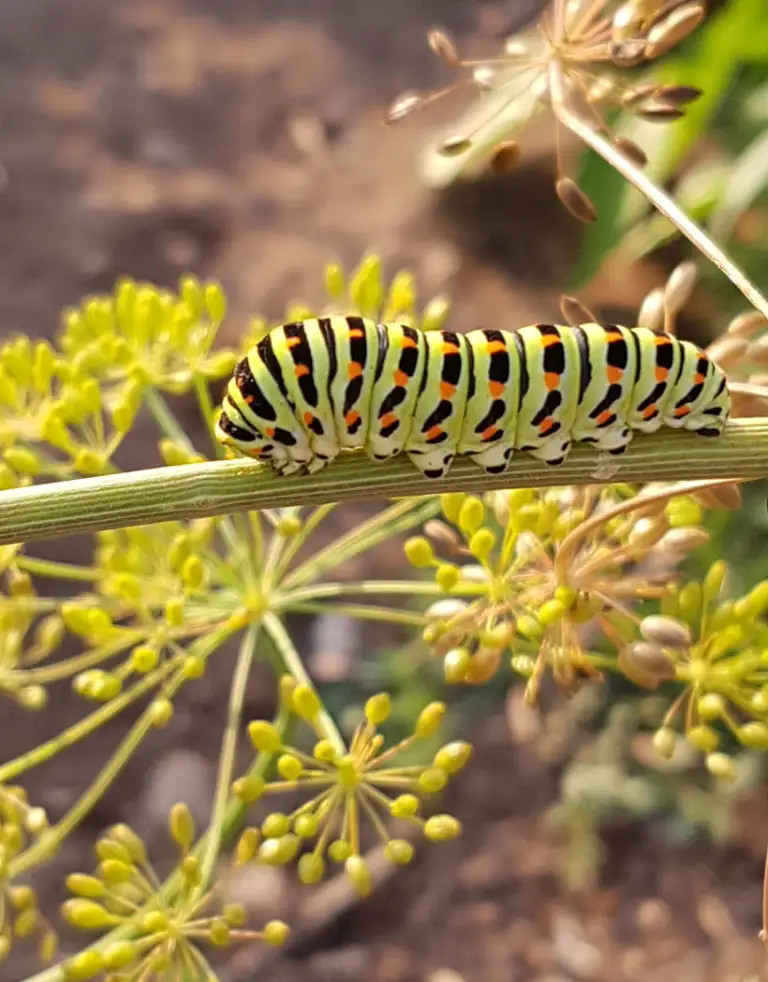
| Swallowtail | Fennel, dill and wild carrot |
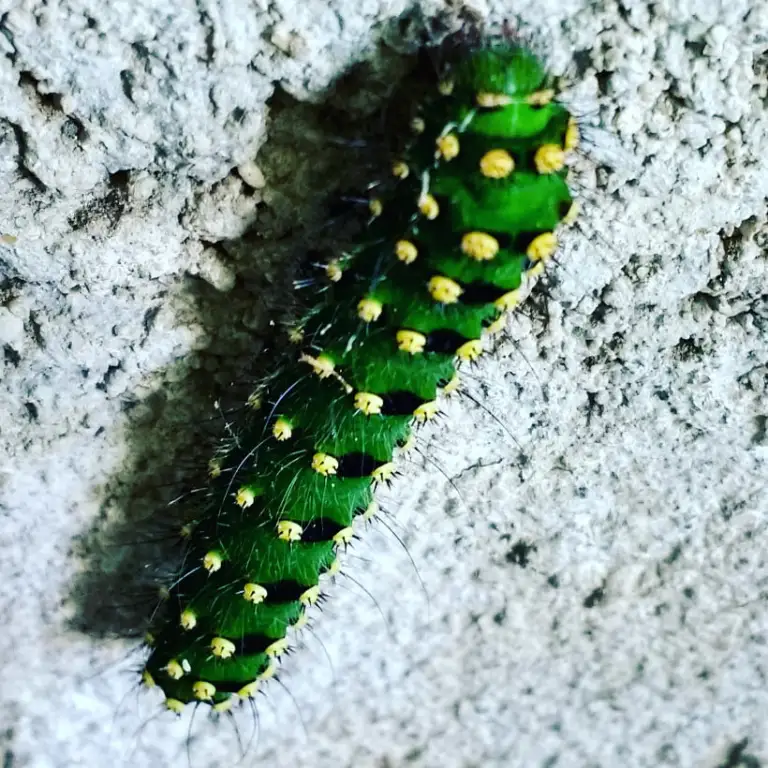
| Emperor moth | Heather, bramble and hawthorn |
This is one of the reasons why it is worth leaving some wild plants in the garden. Nettles, thistles, sorrel and bindweed may not be everyone’s favourite plants, but they are important food sources for particular caterpillars.
If you have space, a small wildflower meadow or an unmown corner can make a real contribution to butterfly conservation.
8. Other sources of food and shelter in the garden
Some of the most useful wildlife habitats are also the simplest.
A compost heap contains insects, earthworms and other small creatures such as woodlice. It provides food for birds and other animals while helping to break down garden waste.
A pile of dead wood offers shelter and overwintering places for many small creatures. It is often more useful than a decorative insect hotel.
Mulch also provides shelter for insects and earthworms, which in turn become food for birds.
Stone walls, rockeries and informal piles of stones create hiding places for lizards and other small animals. These habitats are particularly valuable when they are left undisturbed.
You do not need to make every corner of the garden look perfectly tidy. A few natural features can make a surprisingly big difference.
9. Take care of the wildlife already living in your garden
Once wildlife starts to settle in your garden, you can give it a little extra help.
Nest boxes provide additional nesting places for birds, especially where mature trees and natural cavities are scarce. During cold weather, supplementary food can also help some garden birds.
Hedgehogs need quiet places to shelter and hibernate. A pile of leaves, a log pile or a purpose-built hedgehog house can provide a suitable refuge.
Insect hotels are popular, but they are not essential. A simple pile of old wood, left undisturbed, can provide shelter for many small creatures. If you install an insect hotel, place it near suitable food sources and in a location appropriate for the species it is intended to help.
Above all, avoid pesticides, including products marketed as organic. Even treatments considered natural can harm insects and other wildlife.
The presence of butterflies, frogs, salamanders and even hedgehogs is one of the great pleasures of a wildlife-friendly garden. It is also a reminder that our everyday gardening choices can help support the species whose habitats are increasingly affected by human activities.
Find native plants for your region
The plant examples in this article come mainly from my garden and the European countryside. If you live elsewhere, look for native plants that support the wildlife in your own region.
These resources can help you find suitable plants:
- National Wildlife Federation – Native Plant Finder: find native plants for your area in the United States.
- Xerces Society – Pollinator Conservation Resources: information and regional resources for choosing plants that support pollinators.
- Audubon – Plants for Birds: discover plants that provide food and habitat for birds.
The best choices will depend on your local climate, soil and wildlife. Wherever you garden, choosing plants suited to your region and leaving a few natural corners can help make your garden a more welcoming place for wildlife.
Final thoughts
You do not need a large garden or a perfectly designed wildlife habitat to make a difference. A few flowering plants, a source of water, a mixed hedge, a pile of logs or an area of unmown grass can all help.
The most important thing is to make room for nature and accept that a garden does not have to be perfectly tidy to be full of life.

