
Fat plants, succulents, cacti, orbs… These words are often used as if they meant the same thing. However, behind these names lie some interesting differences to be aware of, especially if you love plants or are looking to install one indoors or in the garden.
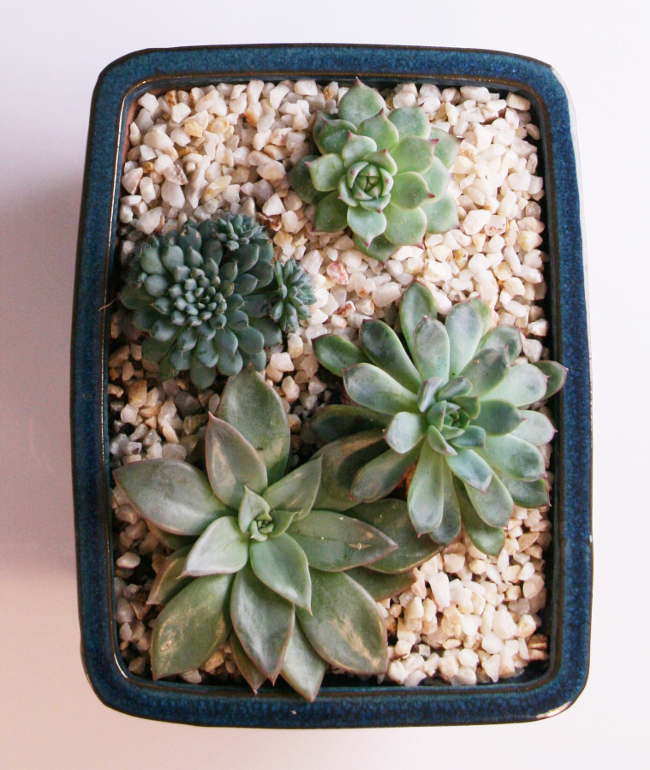
Succulents, cacti and succulents: let’s sort them out!
It’s often said that a fat plant is a succulent, or that a cactus is a fat plant… and it’s both true and false!
To put it simply:
- A succulent is a plant capable of storing water in its leaves, stems or roots.
- The term “fat plant” is just another popular way of saying “succulent”.
- Cacti form a very specific botanical family, the Cactaceae, which includes succulents… but not all succulents are cacti!
Here’s a quick summary:
| Term | What it is | Example |
|---|---|---|
| Oily plant | Current name | Aloe vera, Sedum (Horseweed) |
| Succulent | Botanical term | Echeveria, Agave |
| Cactus | Botanical family | Mammillaria, Opuntia |
Sun and dry plants
It’s no accident that these plants are able to survive with very little water. Most succulents come from hot, dry regions: Mexico, Africa, southern Europe… Where rain is scarce, they have developed astonishing strategies for storing water:
- thick, sometimes reduced leaves,
- fleshy stems,
- effective roots,
- and even a thick skin to limit evaporation.
They’re perfect for distracted or busy gardeners: they’ll forgive you if you forget to water!

Succulents from around the world
Many of the plants you’ll find in garden centers come from Mexico or the southwestern United States: the famous cacti, agaves, echeverias… These varieties like full sun and need well-drained soil, as they dread humidity.
But there are also succulents of European origin that grow very well in our regions:
- Rustic houseleeks (Sempervivum), found on old roofs or in rock gardens.
- Sedums or orpins, perfect for ground cover, often used on green roofs, but also available in larger sizes.
- Some halophilic plants, such as glasswort, are adapted to salty or poor environments.

Some varieties I love
Here is a small selection of succulents that I often recommend, whether for the interior or the garden:
- Echeveria: With their pretty rosettes, they’re perfect for indoor pots.
- Joubarbe (Sempervivum): Ideal for rock gardens, low walls or even old gutters! They overwinter outdoors without a care in the world.
- Sedum: Very versatile, some remain small, others become large plants that flower at the end of summer.
- Aloe vera: In addition to its medicinal virtues, it is very decorative.
- Kalanchoe: A winter bloom that brings color into the home.
- Agave: Majestic, but beware of its prickles and the cold!
- Mammillaria & Parodia (cacti): Easy-flowering cacti, ideal for pots.

How do you grow them?
Even if they are not very demanding, succulents need a few conditions to grow well:
- Light: lots of it! Place them near a well-exposed window. Behind a south-facing bay window, they’ll be delighted (provided it’s not too hot in summer).
- Light watering: Always wait for the soil to dry out before watering. Too much water = rotten roots!
- Good drainage: Use a special cactus/succulent potting soil, or make your own mix with coarse sand.
- A winter break: Some succulents like a little winter rest in a cool, dry place.

Succulents are hardy, decorative and easy to live with. Whether you have a sunny windowsill or a dry garden, there’s sure to be one just right for you.

